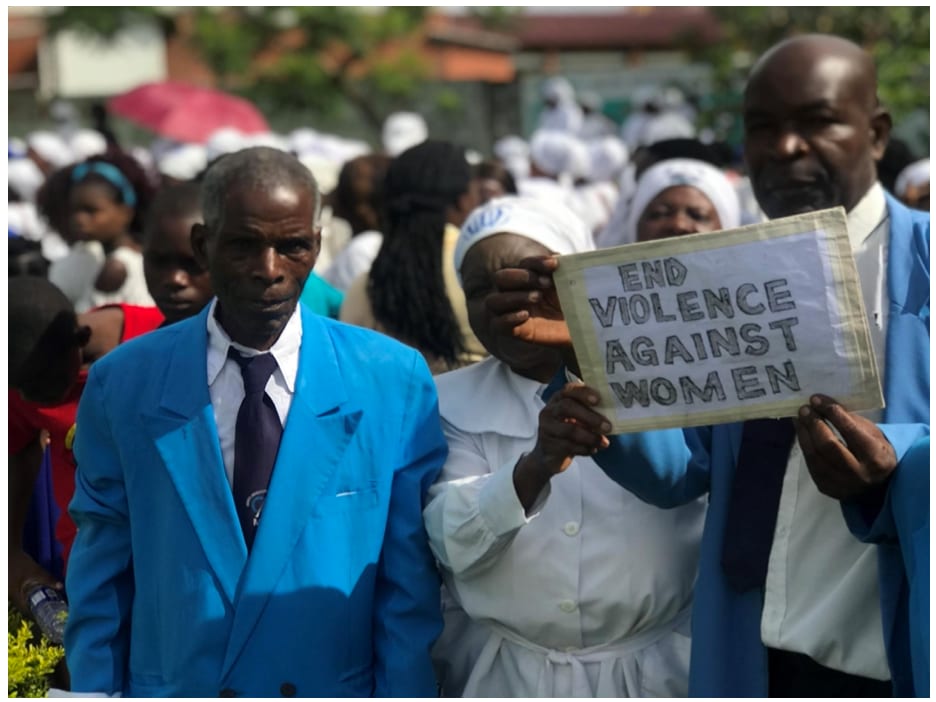
Speak One Voice was launched
The launch was held at the Protea in Ndola, attended by Northern Diocese bishops, other church leaders and Episcopal Relief & Development staff. The Stellenbosch Report was presented.
A faith initiative for women
A faith-based movement that works with and through the local church to create faith leaders, agents of change who raise awareness of and advocate against violence against women and children.
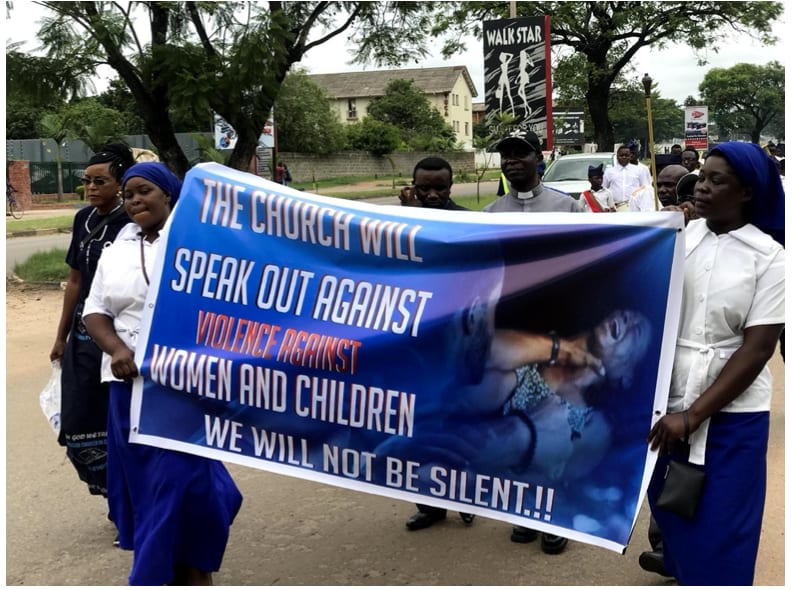
Our purpose
SOV seeks to promote across the society a collective understanding of how religion, culture and society inadvertently perpetuate violence against women (VAW). It seeks to break the silence about violence and begin dialogue that makes a difference in the church, the home and the community.
More about Speak One Voice266,052
cases of gender-based violence reported to Zambia Police
Zambia Police recorded 266,052 reports of gender-based violence between 2009 and 2025. Across the years for which annual figures are published, reports more than doubled — from 9,261 in 2009 to 21,504 in 2017.
A large majority of women (85%) and men (69%) believed that a husband is justified in beating his wife for at least one reason. Zambia Demographic and Health Survey, 2013/2014.
What we do
Five pillars, each one a different way into the same work.
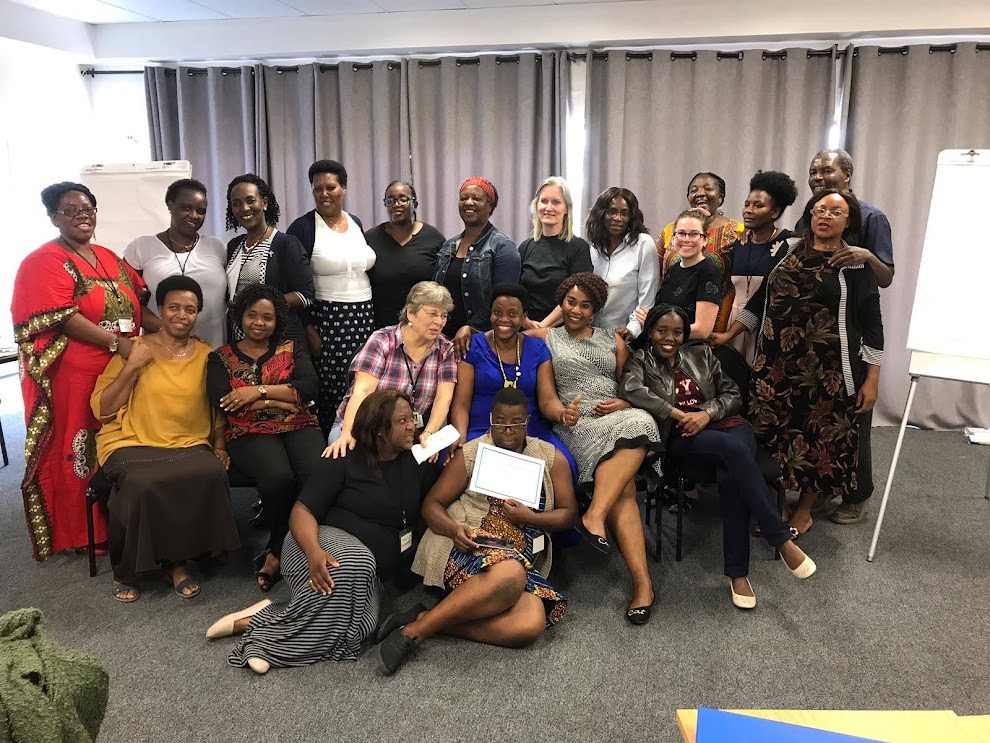
Building a cadre of faith leaders at all levels to prepare people, especially women at the grassroots, to be change agents to prevent and respond to violence against women in the Church and community.
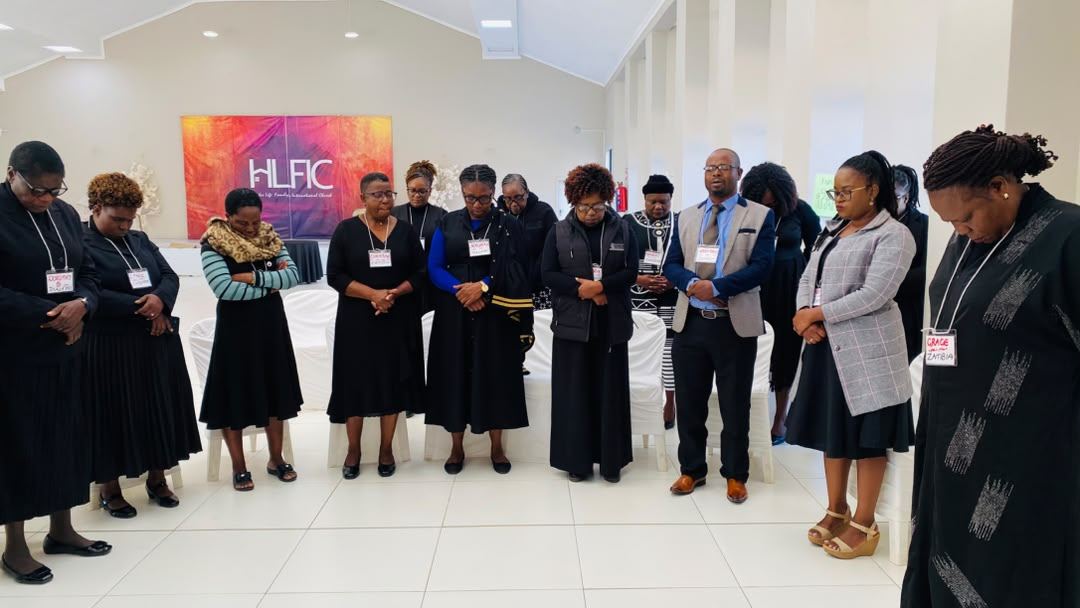
Respectful, faith-based dialogue in the Church and community about religious, traditional, economic and cultural issues, and other contemporary concerns that contribute to violence against women and children, with the purpose of fostering healthy relationships at the family and community level.
Establish safe spaces in the community to ensure that survivors of abuse are cared for and supported until they can put their lives back together.
Works toward violence-free communities and institutional transformation through the interpretational review and use of sacred writings as they apply to issues of violence against women and gender equity; the review of Church policies and regulations to determine their influence on gender equity and change where needed; and the review of national policies around issues of violence against women.
Ending violence in our families and communities takes more than one organisation, so this pillar builds the partnerships that carry the work further than SOV can reach alone.
Theory of Change
Speak One Voice sets out four steps. Each one makes the next possible.
Personal transformation leading to safer families and communities.
Raising a cadre of faith leaders who understand their role and recognise the need for change.
Those systems let networks form, and the work reaches further communities.
Women break the silence, and families, churches and communities become safe spaces.
Women, as primary custodians of culture, break the silence and become agents of transformation; women, families, the church and communities become safe spaces.
Read the full theory of change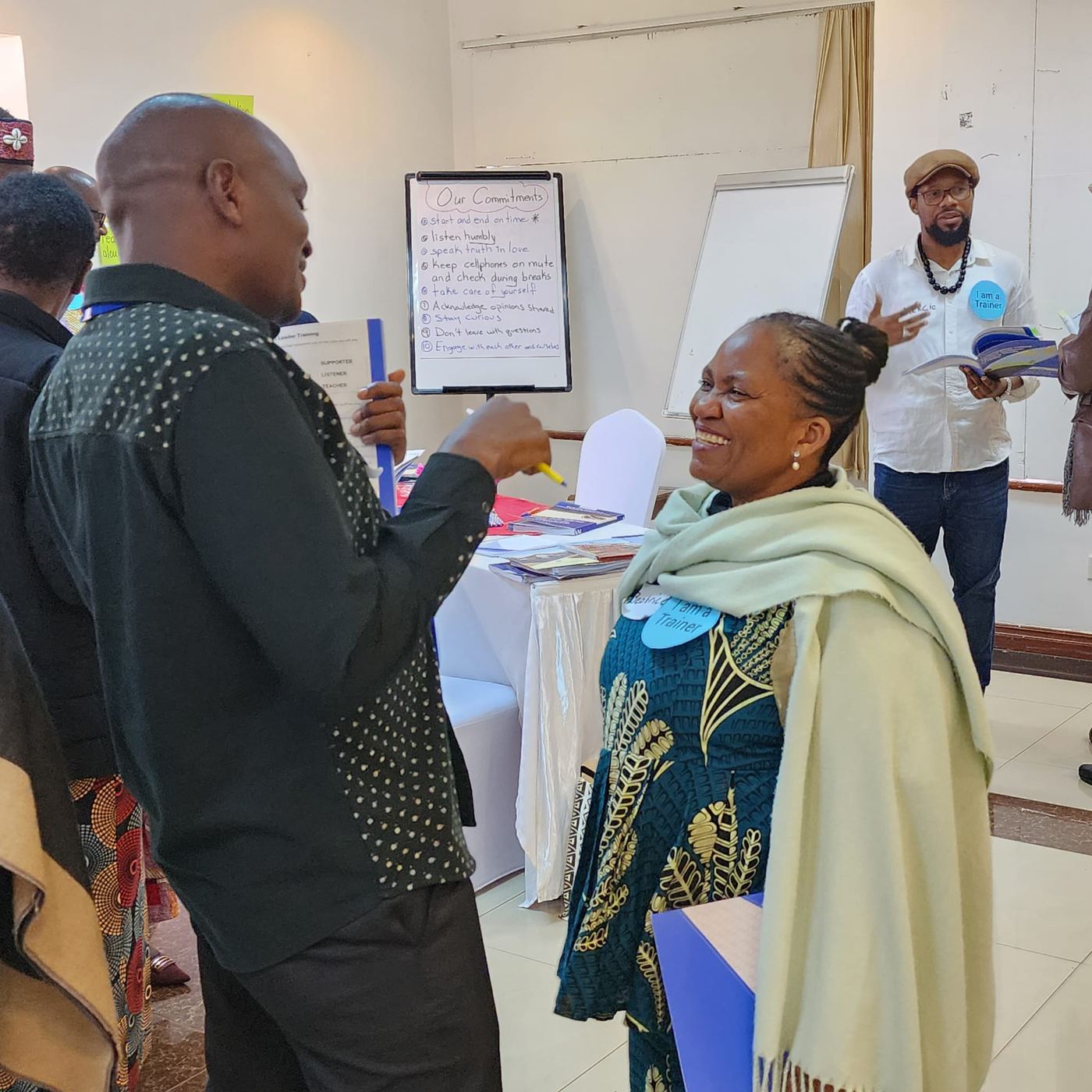
Our work
A launch, a regional conference, and the training that carried Community Learning into four countries.
The launch was held at the Protea in Ndola, attended by Northern Diocese bishops, other church leaders and Episcopal Relief & Development staff. The Stellenbosch Report was presented.
68 participants gathered under the theme “Promoting Women, Families and Churches as Safe Space in the Mitigation of VAWC”.
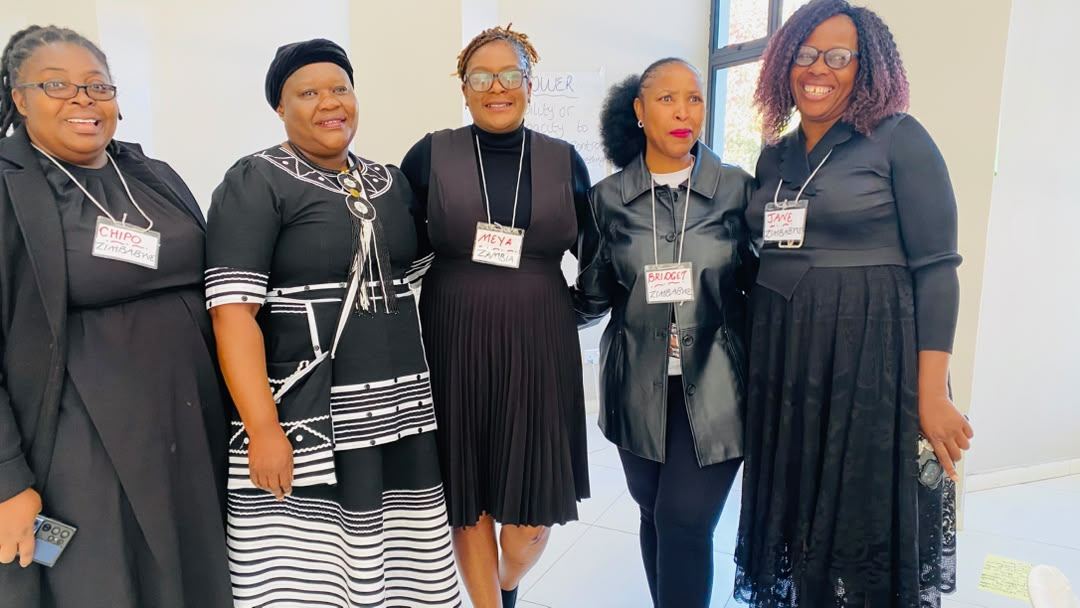
50 participants from Zambia, Zimbabwe, Malawi and Botswana gathered at Melsim Lodge in Lusaka for the second phase of facilitator training for Community Learning.
Gallery
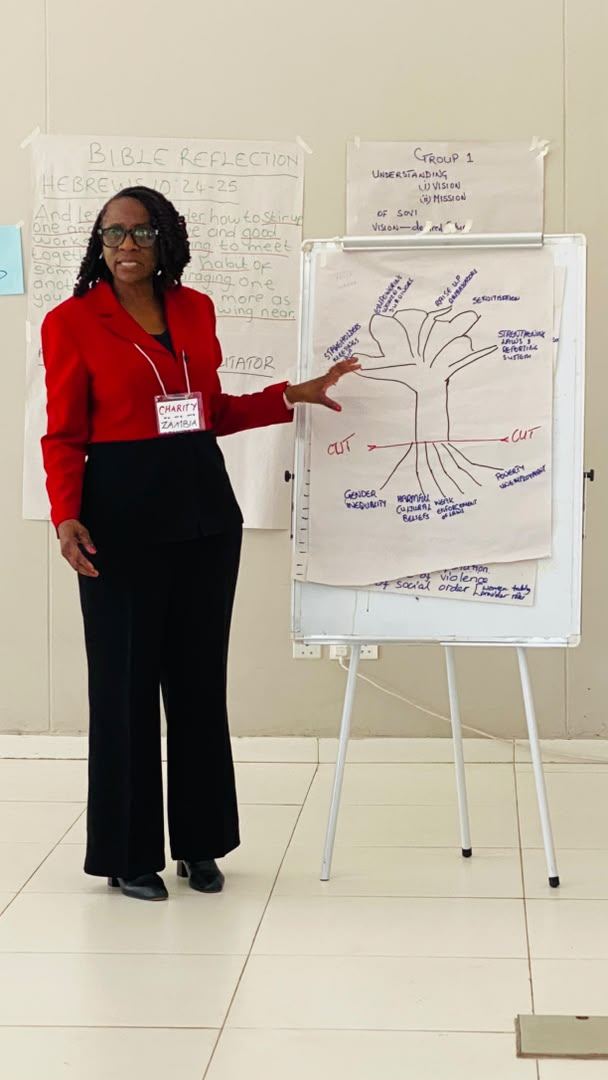
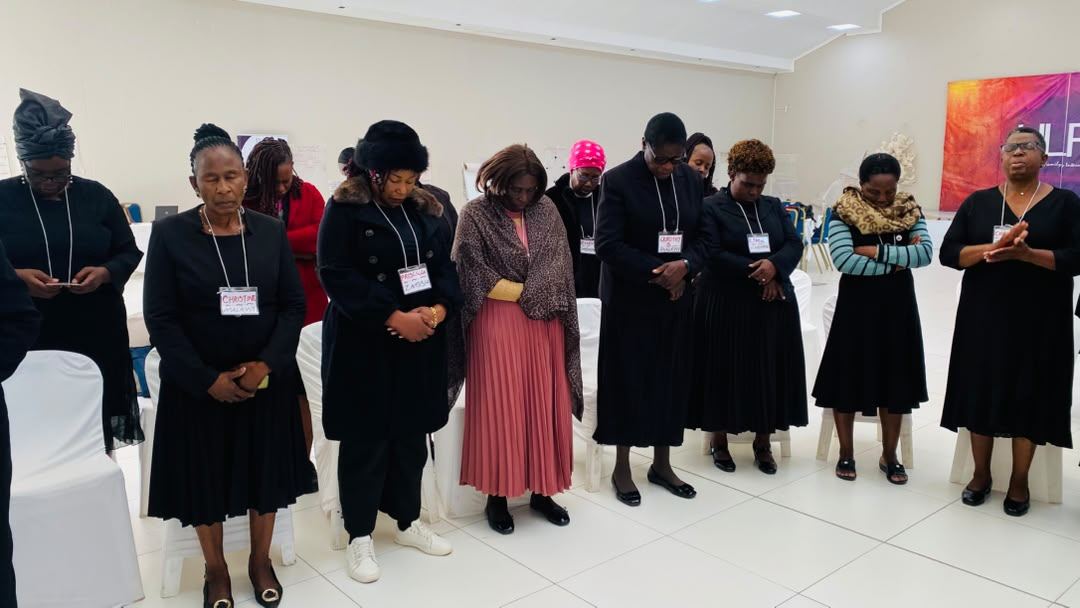
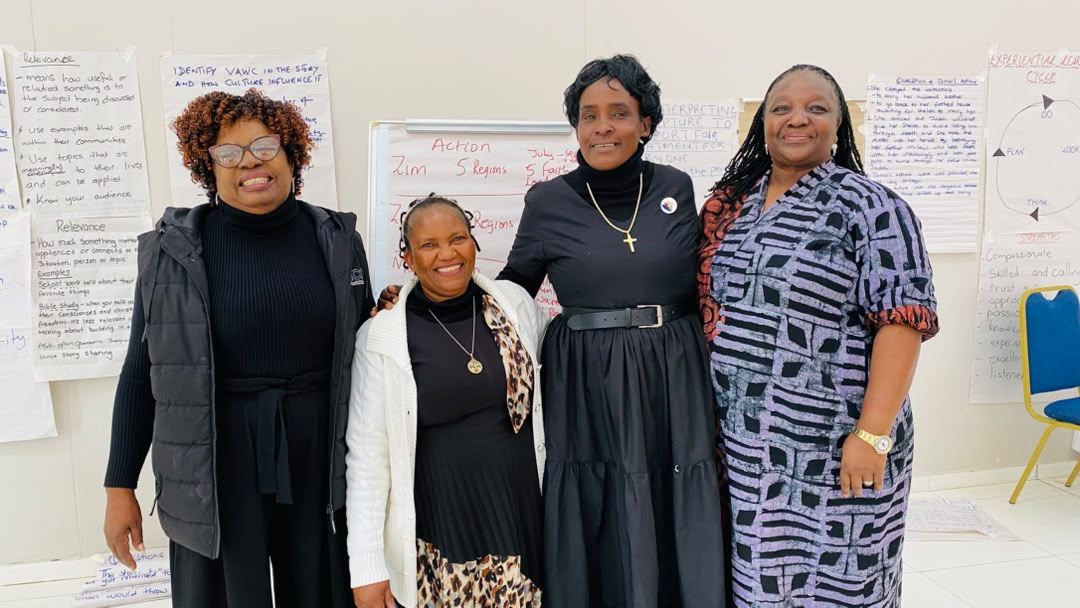
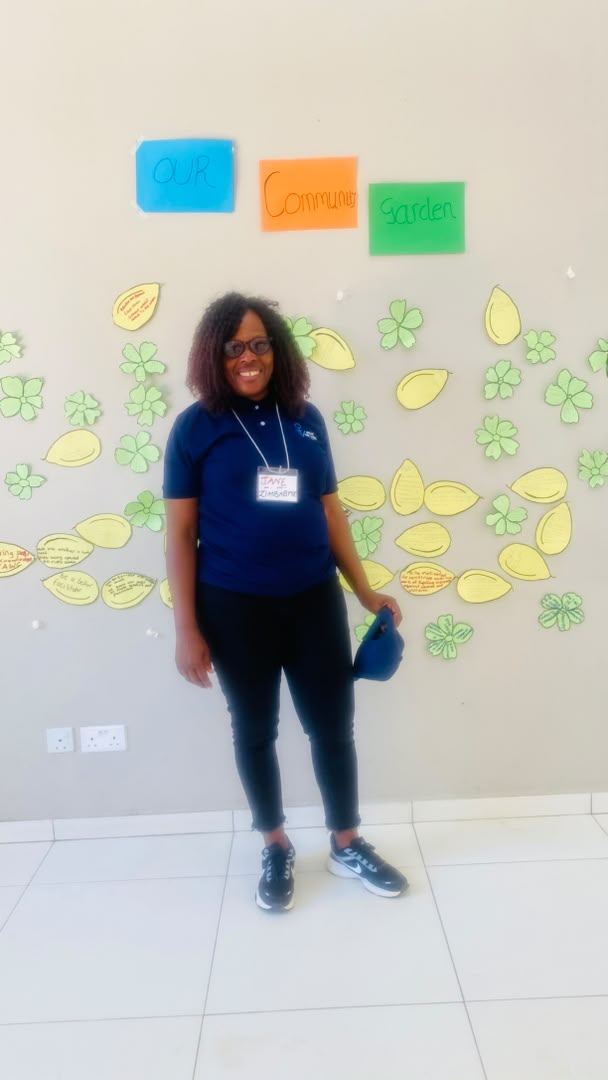
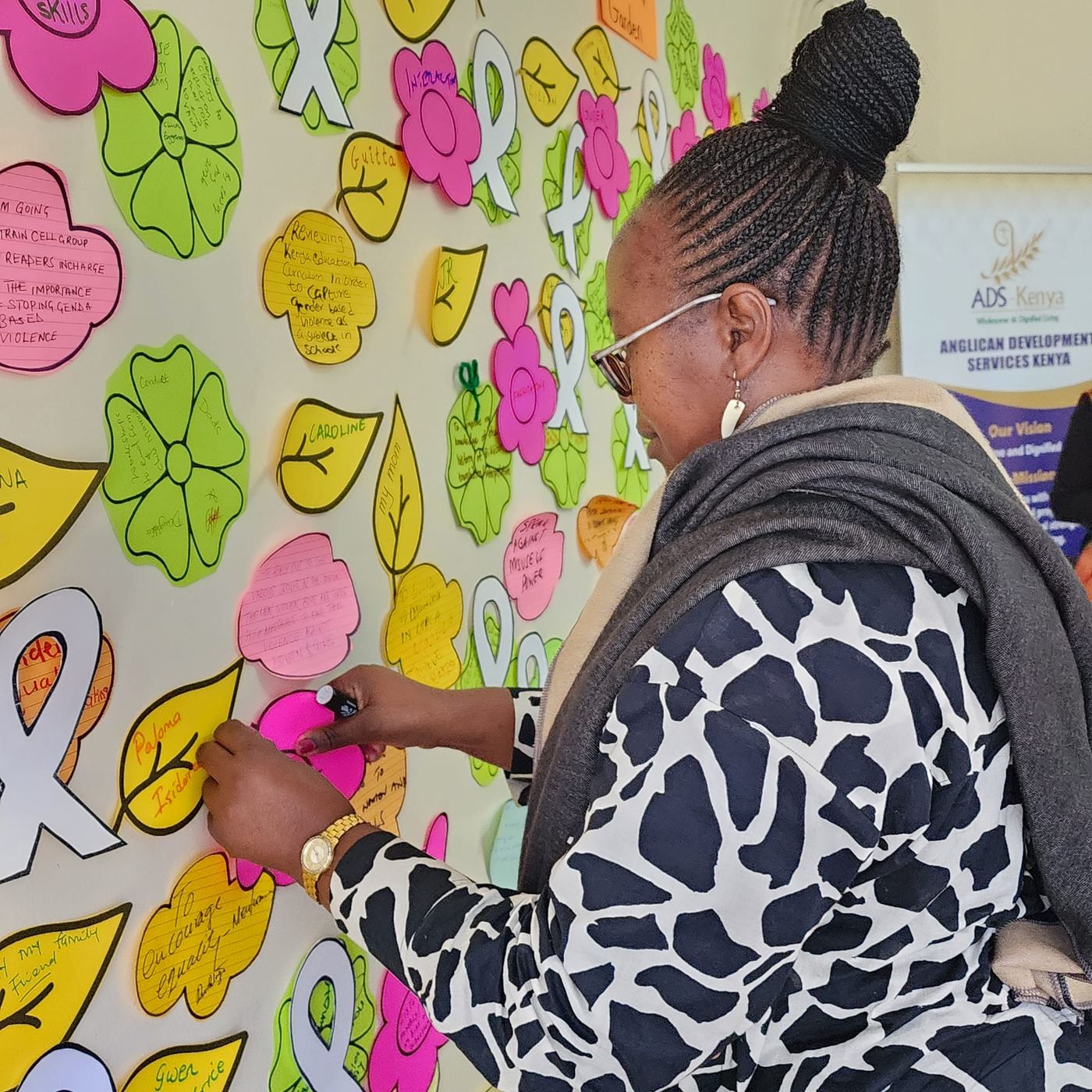
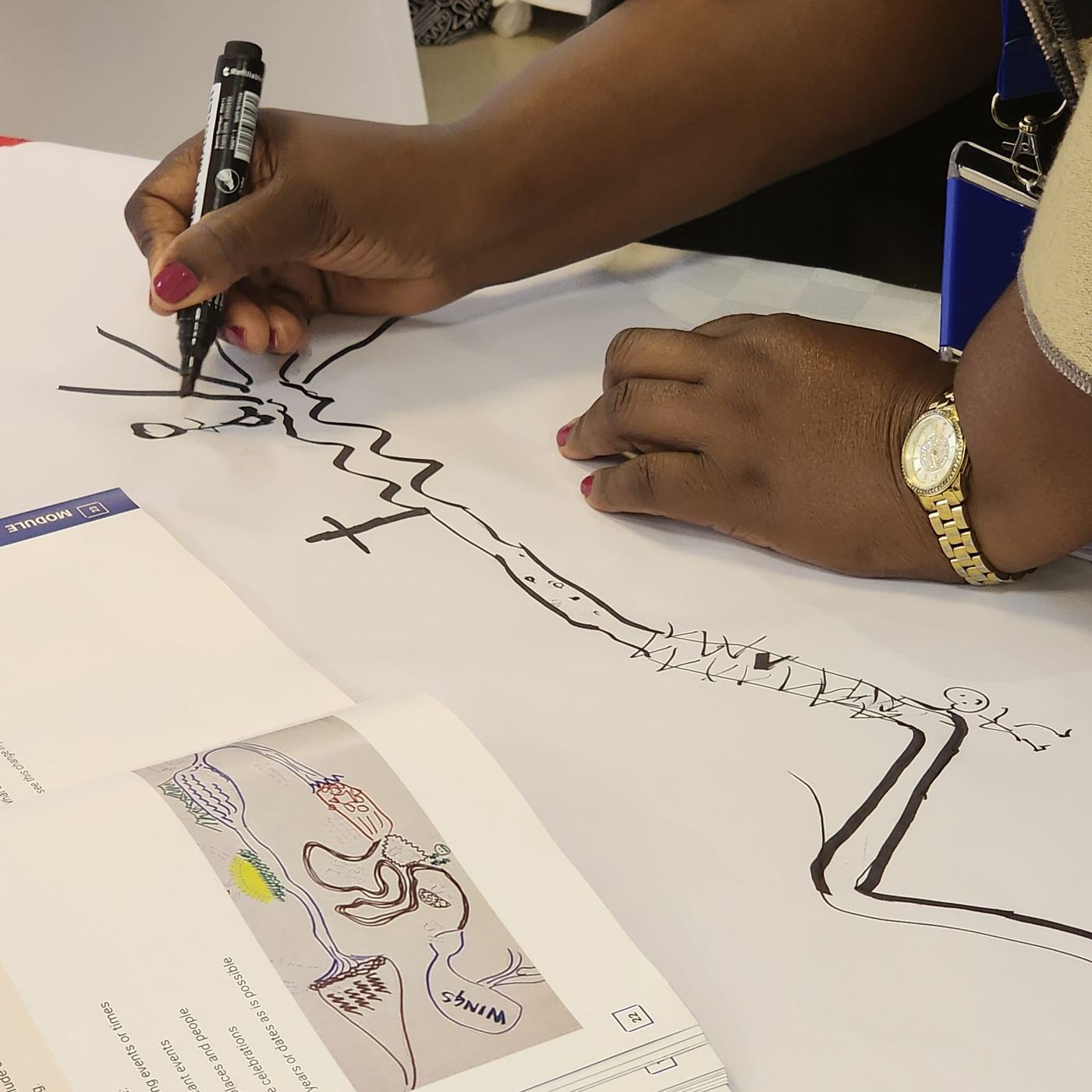
Faith leaders working through the causes of violence against women and children, and the plans they made together.
Partner with us
Partner with churches and like-minded institutions to end violence against women and all forms of gender-based violence.
Partner with usWhether through partnership, community participation, advocacy or support, there is a role for everyone in building safer families and communities.