Leadership Development
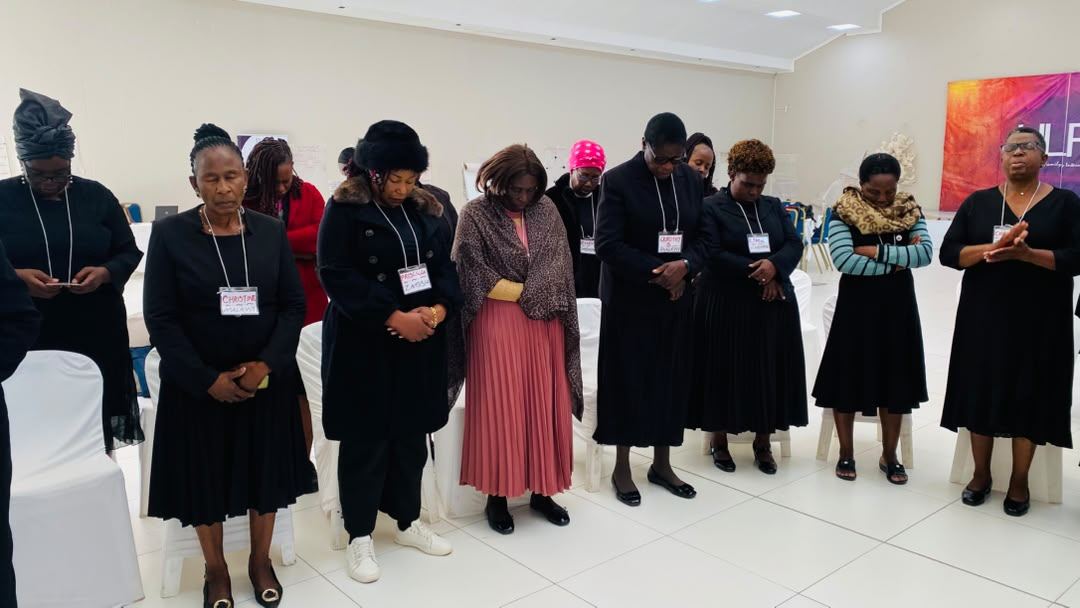
Building a cadre of faith leaders at all levels to prepare people, especially women at the grassroots, to be change agents to prevent and respond to violence against women in the Church and community.
Our approach
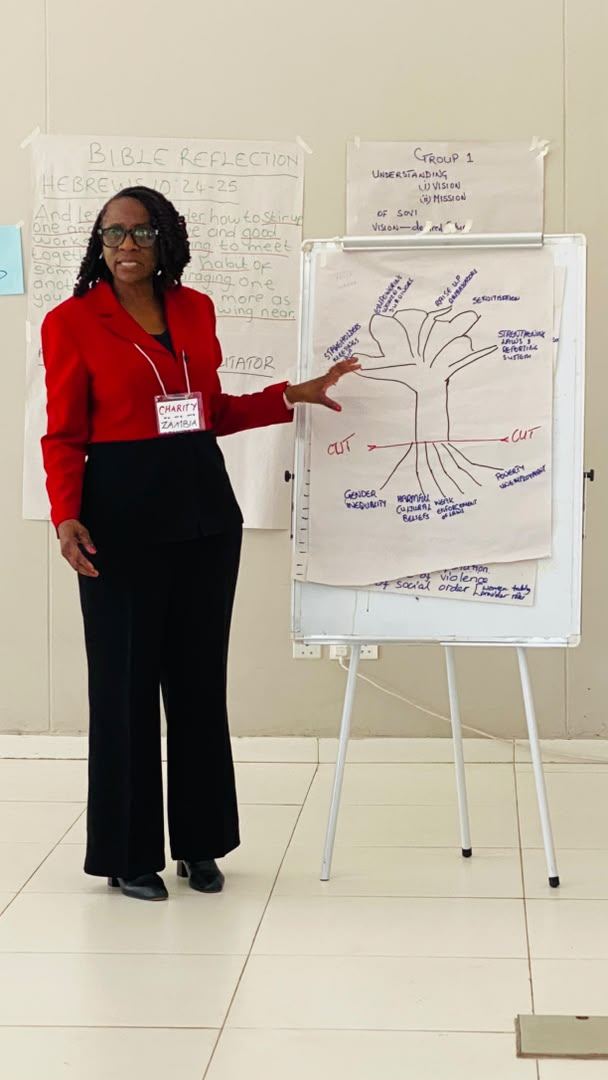
Speak One Voice works through a method of its own: a structured process communities move through together, led by facilitators drawn from those communities.
Five pillars
Together they address the beliefs, the leadership, the safety, the evidence and the partnerships needed to end violence against women and children.
Building a cadre of faith leaders at all levels to prepare people, especially women at the grassroots, to be change agents to prevent and respond to violence against women in the Church and community.
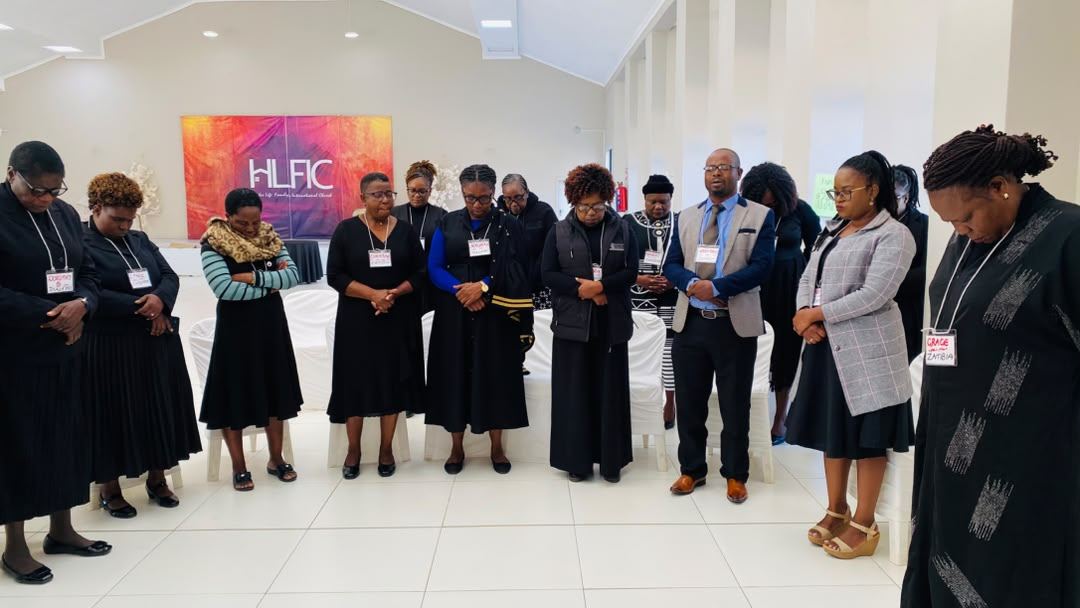
Respectful, faith-based dialogue in the Church and community about religious, traditional, economic and cultural issues, and other contemporary concerns that contribute to violence against women and children, with the purpose of fostering healthy relationships at the family and community level.
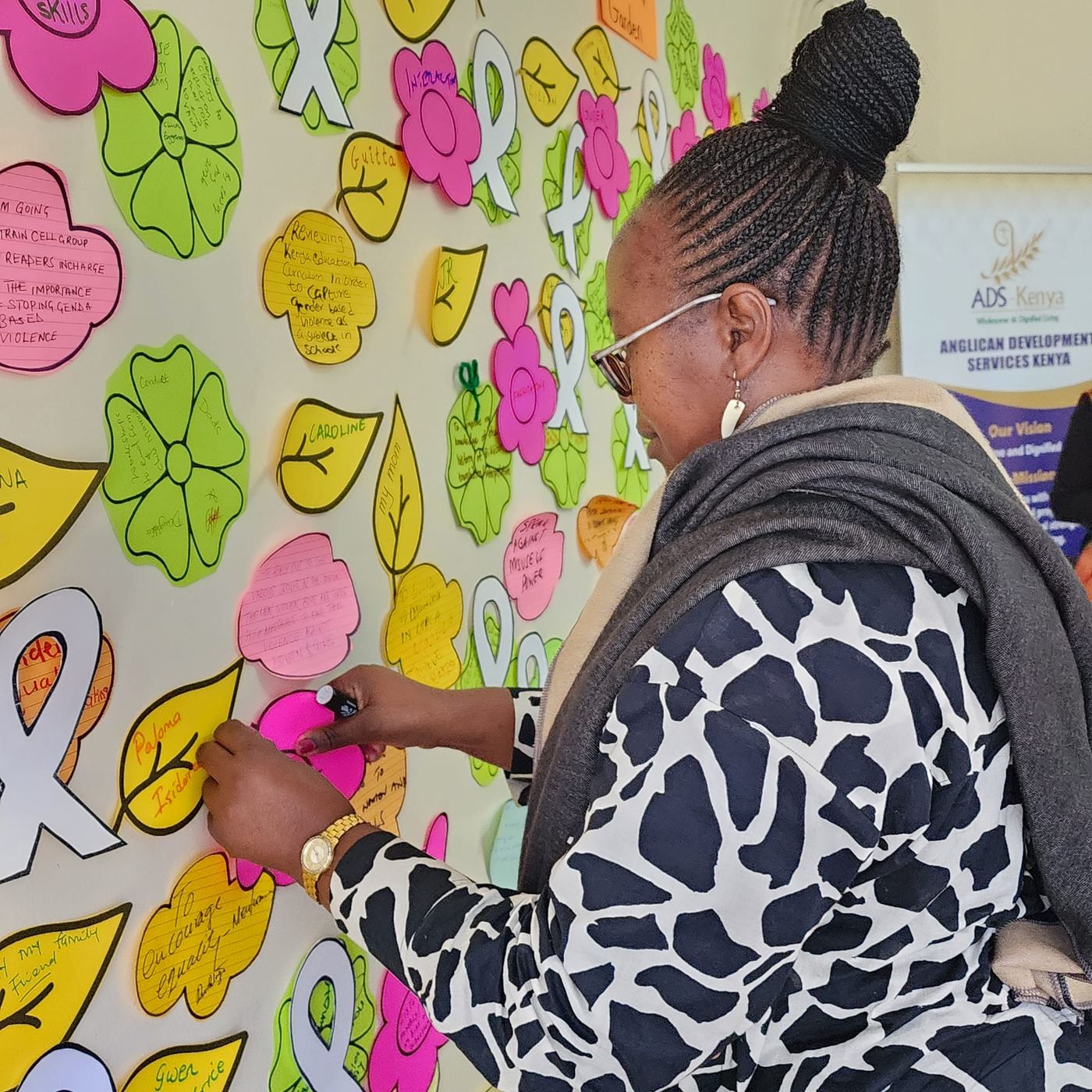
Establish safe spaces in the community to ensure that survivors of abuse are cared for and supported until they can put their lives back together.
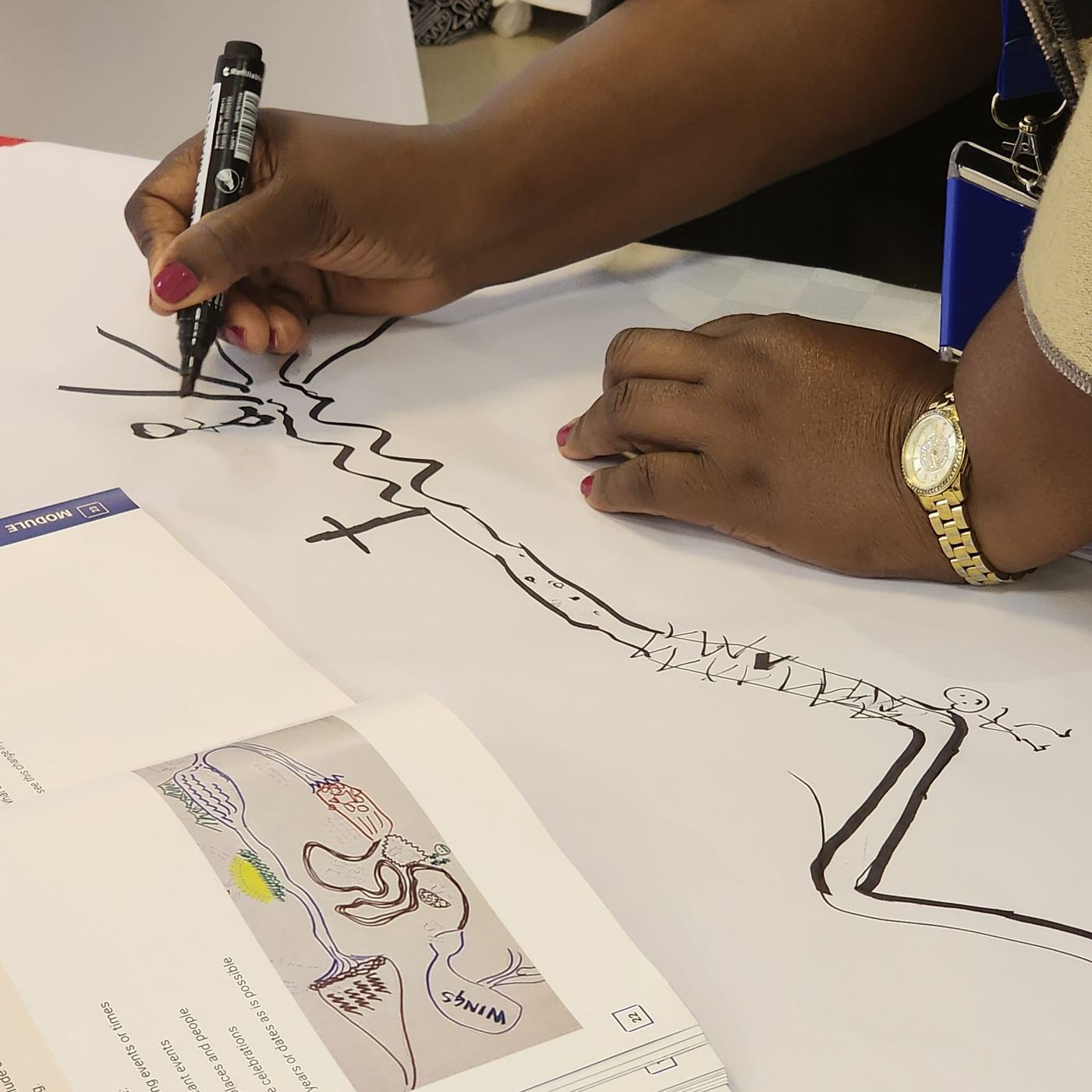
Works toward violence-free communities and institutional transformation through the interpretational review and use of sacred writings as they apply to issues of violence against women and gender equity; the review of Church policies and regulations to determine their influence on gender equity and change where needed; and the review of national policies around issues of violence against women.
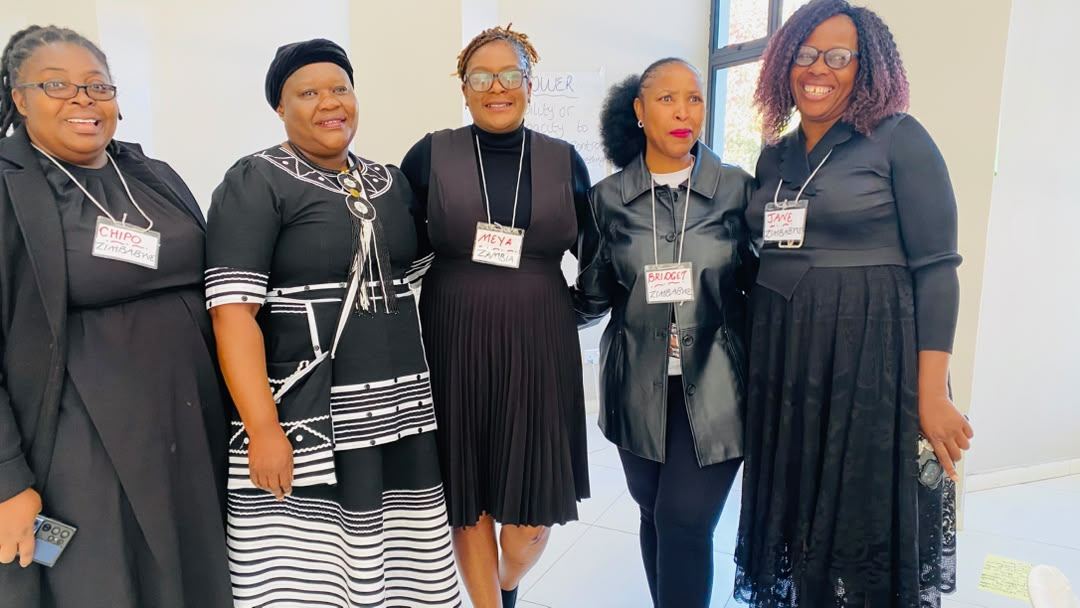
Ending violence in our families and communities takes more than one organisation, so this pillar builds the partnerships that carry the work further than SOV can reach alone.
Why faith leaders
Speak One Voice identifies two groups whose absence from the response to violence against women and children matters most, and whose involvement changes it.
The primary victims
The biblically mandated
This rests on what Speak One Voice believes about faith, women and communities: our principles.
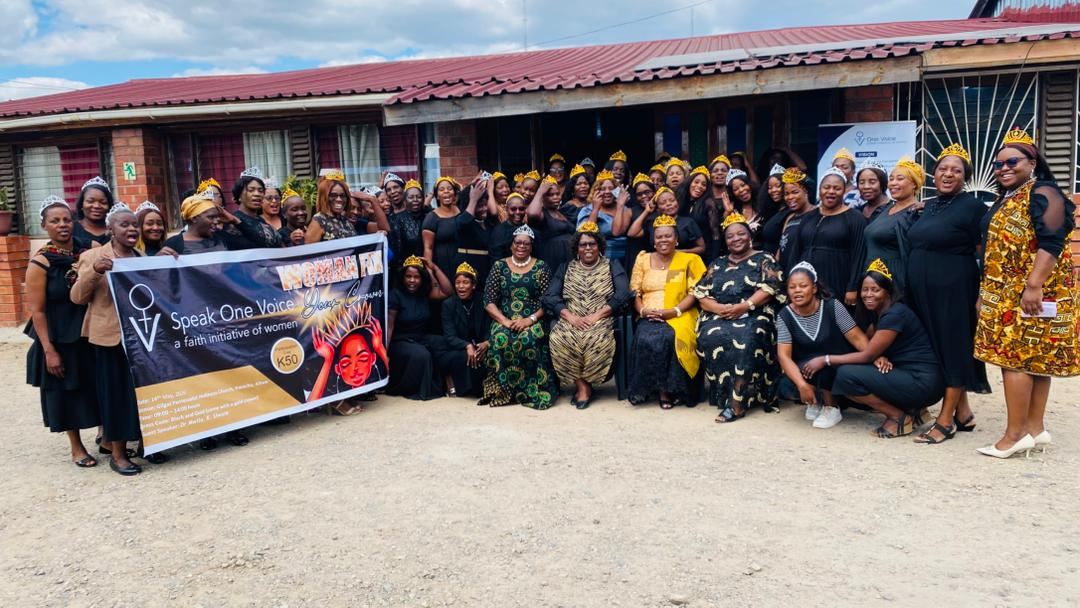
Theory of Change
Four statements. Each builds on the last: the systems built in the second make the networks in the third possible.
If women and church leaders use the process of the Experiential Learning Model and self-reflection to change the beliefs, behaviours and practices through which religion and culture perpetuate violence against women and children
Then
If women and church leaders recognise their role as faith leaders
Then
If women and church leaders build relationships and networks of groups involving women and church leadership, supported by a strong systems framework
Then
If women and church leaders act jointly and respond by challenging and speaking out against existing norms, attitudes and beliefs through the creation of safe spaces
Then
Experiential Learning
The Experiential Learning Model is a methodology of community education that allows learners to make a conclusion of their knowledge (understanding).
Community Learning is not teaching delivered to a community. It is a structured process a community works through, in which participants reach their own conclusions.
Facilitators are trained to lead this process and work from a toolkit developed by Speak One Voice. Read about Community Learning.
Expected outcomes
These are the outcomes this approach is designed to produce. They describe intent, not results. What Speak One Voice has recorded to date is set out on the Impact page.
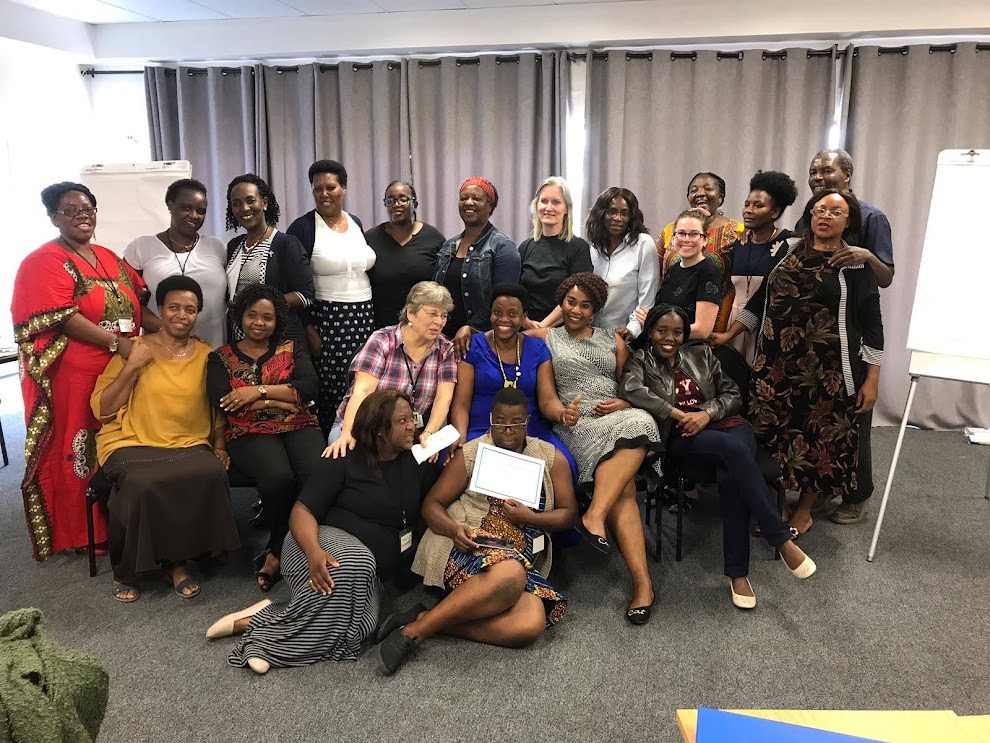
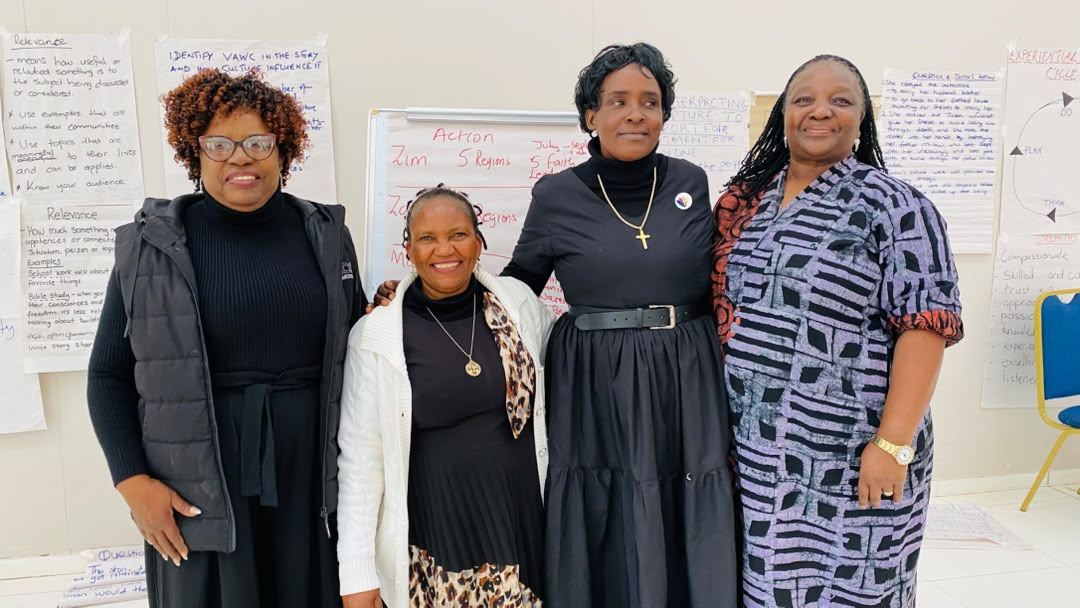
Speak One Voice trains facilitators to lead this process where they live and worship.