Speak One VoiceInternationala faith initiative for women

Community Learning

Learning that leads to action.

Speak One Voice believes meaningful change begins when people are given the opportunity to learn, reflect, question harmful norms and act together.

What it is

Change begins when people learn together

Our community learning approach creates opportunities for women, youth, faith leaders and community members to examine how religion, culture and social practices can influence relationships and violence.

Who leads the change

Women and faith leaders as change agents

Women as change agents

Women are central to Speak One Voice’s approach. Women often play important roles in families, churches and communities and can influence attitudes, behaviors and cultural practices.

  • Champions for themselves
  • Champions for other women
  • Community change agents
  • Advocates for gender equity
  • Leaders in preventing and responding to violence
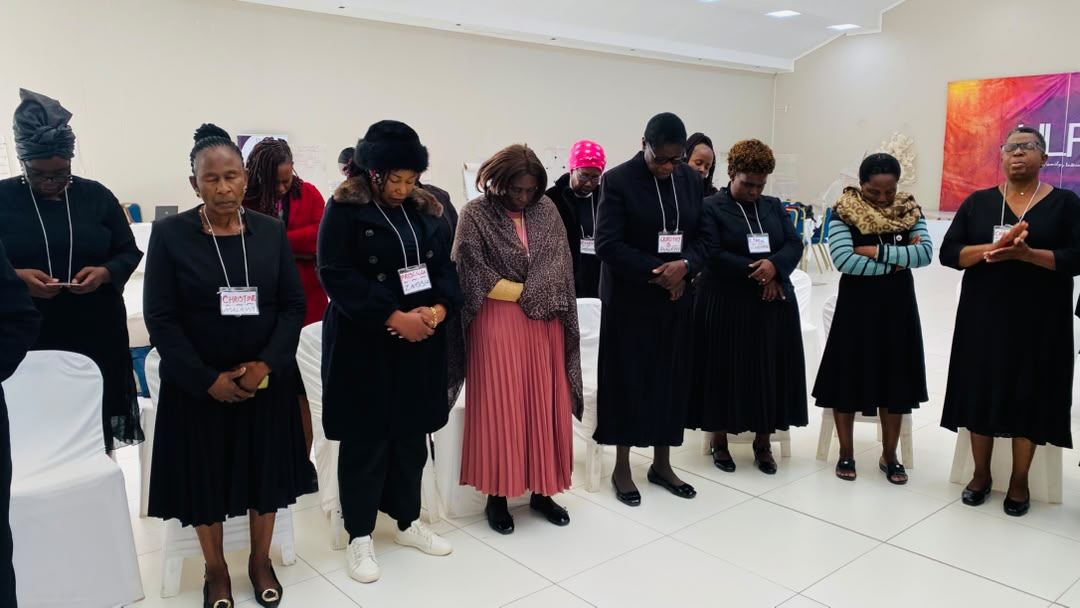
The theory of change identifies women as primary custodians of culture, and emphasises their role as agents of transformation and change.

Faith leaders as change agents

Speak One Voice works with faith leaders because churches and religious communities have an important role in shaping values, relationships and community responses to violence.

  • Recognize harmful beliefs and practices
  • Promote healthy relationships
  • Support victims and survivors
  • Speak against violence
  • Create safer church and community environments
  • Encourage justice, equality and dignity

The process

Do, Look, Think, Plan

Facilitators carry a group through four steps. Each moves from experience towards a plan the group has made for itself.

  1. Do

    The learners are assigned a task that makes them engage with a concrete experience.

  2. Look

    Learners reflect on the experience, taking note of the observations and reactions in the task.

  3. Think

    This process allows learners to identify new learning and link it to real life situations.

  4. Plan

    Next steps. Learners make plans of how to apply the acquired knowledge to actual situations.

The cycle is continuous: planning leads back into doing, and the group works through it again.

Why reflection

Learning through reflection

Speak One Voice uses experiential learning and self-reflection to help women and church leaders examine beliefs, behaviors and practices surrounding violence against women and children. The intended change is not simply increased knowledge.

  1. Changed understanding

  2. Changed behavior

  3. Stronger relationships

  4. Safer communities

The content

What Community Learning explores

Five subjects, worked through by the group rather than presented to it.

  • Faith, Religion & Culture

    How faith and cultural beliefs shape attitudes, relationships and the way violence is understood, worked through in dialogue rather than taught.

  • Violence Prevention & Response

    Understanding violence against women and girls, and the structures and beliefs that allow it to continue.

  • Parenting & Family Wellbeing

    Healthy parenting, keeping children safe, and the effect of violence in the home on the whole family.

  • Survivor Support

    What support already exists in a community and where the gaps are, including what makes a church or a home a safe space.

  • Trauma & Resilience

    What trauma is and how it travels through a community, and how speaking about violence begins to break the cycle.

Facilitators are trained to lead these conversations and work from a toolkit developed by Speak One Voice. See where the work has reached.

Bring Community Learning to your church or community

Speak One Voice trains facilitators to lead this process where they live and worship.

Get Involved